
Blog
The psychology behind risky decisions in gambling contexts

The psychology behind risky decisions in gambling contexts
The allure of risk-taking in gambling
Risk-taking is an integral aspect of gambling that attracts millions worldwide. The thrill of possibly winning big can lead individuals to make decisions they might not ordinarily consider. The excitement associated with high-stakes gambling stimulates the brain’s reward pathways, creating a rush that can be addictive. This combination of potential gain and emotional arousal often overshadows the risks involved, leading players to engage in behavior that may be contrary to their financial interests. For example, many might find themselves drawn to activities such as the Le Fisherman game New Zealand, where excitement and risk intertwine.

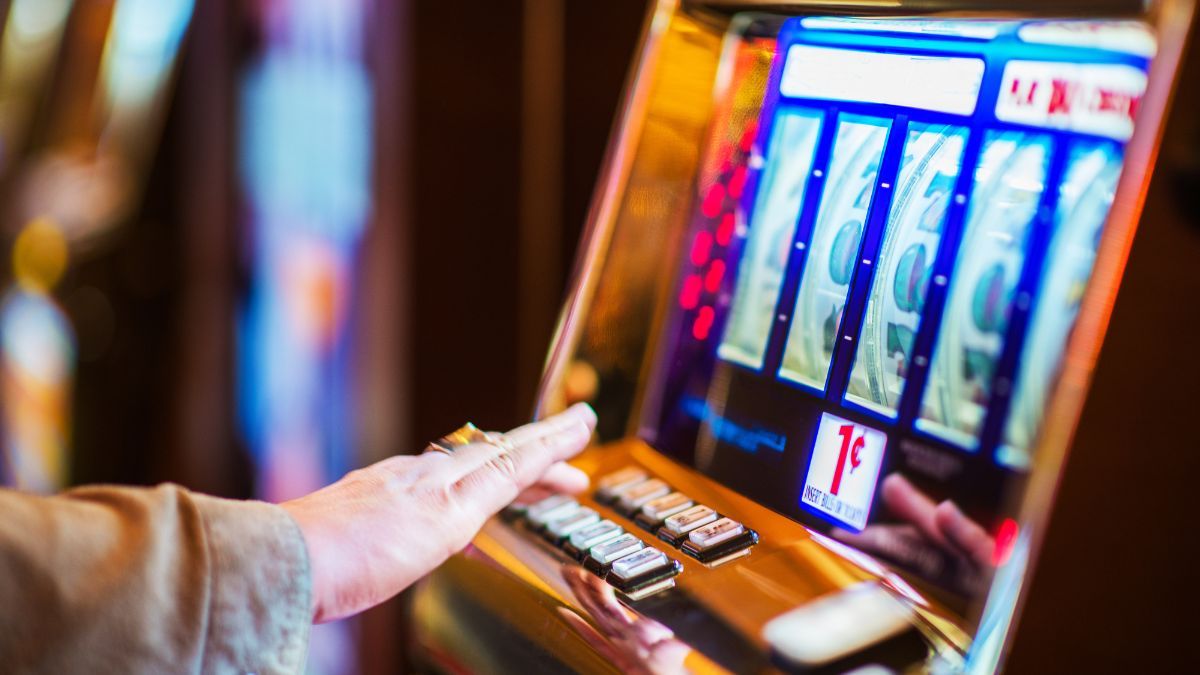
Moreover, the environment in which gambling occurs plays a crucial role in influencing decisions. Casinos are designed to enhance excitement through bright lights, sounds, and the social atmosphere. These elements can amplify feelings of confidence and reduce the perception of risk, prompting individuals to make bolder choices. As players immerse themselves in this stimulating environment, they may disregard rational thinking in favor of impulsive actions that are more aligned with emotional gratification.
The role of cognitive biases
Cognitive biases significantly impact decision-making in gambling contexts. One prevalent bias is the illusion of control, where individuals believe they have more influence over the outcome of a game than they actually do. For example, players might think that their skill can affect the result of a slot machine or roulette, leading them to take unnecessary risks. This misconception can fuel a cycle of continuous gambling as players chase their perceived control and potential winnings. Additionally, understanding how these biases operate can illuminate why people engage in behavior that seems irrational.
Another common bias is loss aversion, where individuals tend to prefer avoiding losses over acquiring equivalent gains. In gambling, this can manifest as players continuing to wager in an attempt to recover previous losses. This behavior often leads to escalating bets and increasingly risky decisions, driven by the hope of making up for lost funds. Understanding these cognitive biases is essential for recognizing why players may consistently engage in risky gambling behavior.
Emotional factors in gambling decisions
Emotions play a significant role in the decisions gamblers make. The interplay of excitement, anxiety, and euphoria can skew judgment and lead to impulsive choices. For many, the thrill of a near win can be particularly intoxicating, prompting players to continue betting despite unfavorable odds. This emotional roller coaster can obscure logical reasoning, making it challenging for individuals to walk away from a game or to adhere to their budgeting plans.
Additionally, social influences and peer pressure can amplify emotional responses, further complicating decision-making processes. Gamblers may be more inclined to take risks when surrounded by friends or others who are also gambling, as the collective excitement can create a sense of invincibility. Understanding these emotional triggers is crucial for developing strategies to mitigate risky behavior and foster more responsible gambling practices.
The impact of reward systems
The reward systems established by gambling games significantly shape decision-making. Many games are designed to create a feeling of excitement and anticipation, often through features such as bonus rounds or free spins. These rewards can reinforce risky behaviors, making players more likely to gamble despite the risks. The prospect of winning can overshadow the inherent dangers of gambling, leading to a cycle of chasing losses and taking further risks.
Furthermore, the intermittent reinforcement found in gambling creates a powerful psychological effect. Players may experience occasional wins that create a strong association between gambling and positive emotions. This reinforcement can make it difficult for individuals to recognize the cumulative losses over time, as the thrill of winning can temporarily overshadow the reality of their overall gambling experience.
Explore safe gaming at Le Fisherman
For those intrigued by gambling yet seeking a responsible approach, online games like Le Fisherman provide an engaging platform. This game combines a unique fishing theme with exciting features that allow players to experience the thrill of the game without excessive risk. The opportunity to play in demo mode enables individuals to familiarize themselves with the game mechanics without financial commitment, making it an ideal starting point for both novice and experienced players.
By understanding the psychology behind risky decisions in gambling, players can better navigate their gaming experiences. Games like Le Fisherman encourage players to enjoy the fun of gambling while promoting responsible gaming practices. This balance allows individuals to engage in the excitement of gambling while minimizing the risks associated with impulsive decision-making.